


 .
. .
.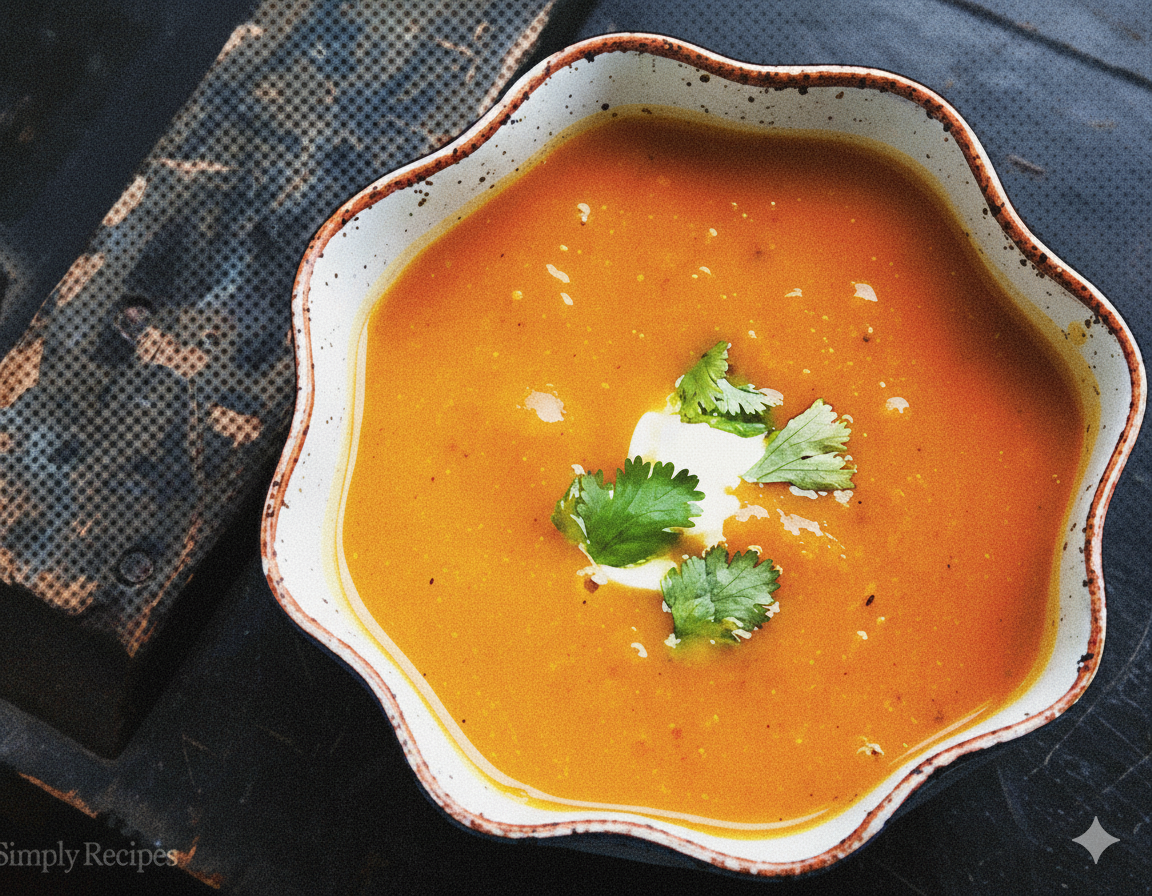
Fertility-Boosting Curried Squash Soup (High Beta-Carotene, Anti-Inflammatory)
This isn't just a fall recipe, it's a genuinely fertility-supportive meal. Butternut squash is one of the highest dietary sources of beta-carotene, which converts to vitamin A and supports uterine lining health and immune function. Combined with anti-inflammatory turmeric and coconut milk's healthy fats, this soup is exactly the kind of food that builds the foundation your fertility needs.
"Food is the foundation. Supplements are targeted interventions on top of it. This soup covers the foundation."
Why This Recipe Is Actually Fertility-Supportive
Beta-carotene from butternut squash converts to vitamin A, which is essential for uterine lining development, immune function, and cellular differentiation in early embryo development. Unlike preformed vitamin A (retinol from animal sources, which can be toxic in high doses), beta-carotene from plants is converted by the body only as needed, making it a safe way to support vitamin A status without risk of excess.
Turmeric contains curcumin, which has documented anti-inflammatory properties. Chronic low-grade inflammation is one of the five underlying factors I address in every fertility patient, it impairs egg quality, disrupts hormonal signaling, and makes the implantation environment less receptive. Curcumin's bioavailability is significantly improved with fat (the coconut milk in this recipe) and black pepper (the piperine enhances absorption).
KEY INSIGHT
The fat in this recipe isn't incidental, it's functional. Coconut milk's medium-chain triglycerides help your body absorb the fat-soluble beta-carotene from the squash and the curcumin from the turmeric. Whole foods work synergistically this way.
Coconut milk provides medium-chain triglycerides and fat-soluble vitamin carriers, the fat in this recipe helps absorb the fat-soluble beta-carotene in the squash. Whole foods work synergistically this way.
11mg
Beta-carotene in one cup of butternut squash, one of the highest dietary sources. A bowl of this soup covers a significant portion of daily needs.
The Recipe
Serves 4 | Prep: 15 min | Cook: 35 min
Ingredients:
1 medium butternut squash (about 4 cups cubed), 1 can full-fat coconut milk, 2 cups vegetable or chicken broth, 1 medium yellow onion (diced), 3 cloves garlic (minced), 1 tablespoon fresh ginger (grated), 2 teaspoons ground turmeric, 1 teaspoon curry powder, ½ teaspoon ground cumin, ¼ teaspoon cayenne (optional), ¼ teaspoon black pepper, 2 tablespoons olive oil or coconut oil, salt to taste, fresh cilantro and pumpkin seeds for garnish (optional)
Instructions:
Heat oil in a large pot over medium heat. Add the diced onion and cook 5–7 minutes until softened and translucent. Add the garlic and ginger and cook another 2 minutes until fragrant.
Add the turmeric, curry powder, cumin, cayenne (if using), and black pepper. Stir to coat the aromatics and cook 1 minute, this blooms the spices in the fat and improves both flavor and curcumin bioavailability.
Add the cubed butternut squash and broth. Bring to a boil, then reduce heat and simmer 20–25 minutes until the squash is completely tender.
Remove from heat and blend until smooth, either with an immersion blender directly in the pot, or in batches in a standard blender (let it cool slightly first). Return to the pot over low heat.
Stir in the coconut milk and heat through. Adjust seasoning. Serve garnished with fresh cilantro and pumpkin seeds (a good source of zinc).
📊 WHAT THE RESEARCH SAYS
Pumpkin seeds aren't just garnish, they're one of the highest plant-based sources of zinc. Zinc is essential for egg maturation, ovulation, and progesterone production. Adding a tablespoon to soups, salads, or snacks is a simple, practical way to improve zinc intake from food.
Not Sure What Your Body Needs?
Take our free 2-minute quiz and get a personalized supplement protocol built around your specific cycle, hormones, and health signals.
Take the free Score → Explore the App →
Fertility Nutrition Notes
This soup pairs well with a protein source, grilled salmon adds omega-3s and complete protein, making it a genuinely comprehensive fertility-supportive meal. A whole grain roll or sourdough adds prebiotic fiber for gut health. The fat from the coconut milk ensures the fat-soluble nutrients (beta-carotene, fat-soluble spices) are absorbed rather than passing through.
KEY INSIGHT
Dietary quality builds over 90+ days, the full egg development timeline. Every anti-inflammatory, nutrient-dense meal you eat during that window is contributing to the follicular environment that determines egg quality. This soup is a practical way to make that real.
✦ THE CONCEIVABLE SYSTEM
Personalized Supplements. AI Care Team. The Halo Ring.
Everything your body needs to optimize fertility, built around your information, not someone else's.
Take the free Score → Check Out the App →
Frequently Asked Questions
Does diet actually affect fertility in a meaningful way?
Yes, though not overnight. Diet affects the inflammatory environment, blood sugar regulation, micronutrient status, and cellular quality that collectively support egg development, hormonal balance, and implantation. The effects build over 90+ days, the egg development timeline. Think of dietary quality as the foundation; supplements as targeted interventions on top. Neither works optimally without the other.
Can I eat this soup while doing IVF?
Absolutely, this is exactly the kind of food worth prioritizing during stim cycles. The anti-inflammatory components, the beta-carotene, and the micronutrient density are all supportive of the follicular environment. High-antioxidant, whole-food eating during IVF preparation is directionally aligned with everything the research suggests about improving outcomes.
Is coconut milk okay for fertility? I've heard saturated fat is bad.
The relationship between saturated fat and health is much more nuanced than the anti-fat messaging of the past 40 years. Coconut milk specifically contains medium-chain triglycerides that are metabolized differently from long-chain saturated fats. The Harvard Nurses' Health Study on fertility actually found full-fat dairy (high in saturated fat) was associated with better fertility outcomes than low-fat dairy. In moderate amounts as part of a whole-food diet, coconut milk is well-tolerated and provides useful nutrients. It's not something to fear.
Are there other squash varieties I can use?
Yes, kabocha, acorn squash, or red kuri squash all work well in this recipe and have similar nutritional profiles. Sweet potatoes are another excellent beta-carotene option for variation. The deeper orange the flesh, the higher the beta-carotene content.
How does this fit into the Conceivable approach to nutrition?
Nutrition at Conceivable is about building the physiological foundation that targeted supplementation then optimizes on top of. We don't prescribe a specific fertility diet, we help you understand which nutrients matter for your specific picture and where the gaps are. For most women, getting more whole-food sources of key micronutrients, including beta-carotene, zinc, and anti-inflammatory compounds, is part of building that foundation. Recipes like this one are practical ways to make that real in your daily eating.
How does the Conceivable system actually work?
Conceivable combines three things: personalized supplement packs built from your quiz results and health data, an AI care team of 7 specialists (led by Kai, your fertility coordinator) who help you understand your pattern and can suggest a pack, and the Halo Ring for continuous biometric tracking. The system is built on published reproductive-health research and 20 years of clinical practice. It starts at $14.99/month.
How do I know which supplements I actually need?
Take the free 2-minute Conceivable quiz. It analyzes your cycle patterns, energy, stress, digestion, and health history to identify the specific nutrients your body needs, not a generic prenatal, but a protocol built for exactly where you are right now.
Do I need the Halo Ring to use Conceivable?
No. The Halo Ring is optional and adds overnight tracking of temperature, HRV and sleep, which Kai uses to help you understand your pattern and suggest a pack. But the personalized supplement packs and AI care team work without it. The ring is a one-time $250 purchase with no subscription required.
Written by Kirsten Karchmer, founder of Conceivable. She has worked in reproductive health for 26 years, including 20 years in clinical practice, and is a former board-certified reproductive acupuncturist (ABORM) and the author of Seeing Red (Simon & Schuster).
Your Report puts your cycle, energy, sleep and symptoms in context, then shows what may be helping, what may be getting in the way, and where to start.
Get my Report, $89 Educational guidance, not a diagnosis.Kai is your AI fertility coordinator, built from 20 years of clinical practice. She can answer your specific questions right now.
Chat with Kai in the app
