


Curious about the latest breakthrough in fertility supplements? In 2026, alpha lipoic acid and fertility are making headlines as new research shines a light on this powerful antioxidant's role in reproductive health.
This guide is here to break down what alpha lipoic acid does, how it may impact your fertility, and what the most recent evidence says about using it on your conception journey. We'll explore how ALA works in the body, what the science reveals, practical tips for safe use, and where the future is headed.
If you want to know how a simple supplement could fit into your plan for growing your family, you're in the right place. Let's dive in and see if alpha lipoic acid could be the missing piece for your fertility strategy.
Understanding Alpha Lipoic Acid: Structure, Function, and Sources
Curious about what makes alpha lipoic acid and fertility such a hot topic right now? Let's break down exactly what this superstar molecule is, how it works, where you find it, and why it's become a buzzword in the fertility world. We'll keep things clear and actionable—just like advice from your favorite, in-the-know aunt.
What is Alpha Lipoic Acid?
Alpha lipoic acid is a naturally occurring compound with a unique ring structure and sulfur atoms, making it both water and fat soluble. This rare versatility allows it to work in almost every cell of your body. Your liver and other tissues make small amounts of ALA, but most people get extra through supplements.
Interest in alpha lipoic acid and fertility has grown steadily since scientists first isolated ALA in the 1950s. Early studies focused on its role in metabolism, but by the 2000s, researchers began exploring its potential for reproductive health. Today, you'll see ALA mentioned in both nutrition textbooks and fertility forums.
Biological Functions of ALA
Alpha lipoic acid is often called a universal antioxidant because it mops up free radicals throughout the body. Unlike vitamin C or E, which are limited to certain environments, ALA can cross cell membranes with ease.
One of the coolest things about alpha lipoic acid and fertility is its ability to regenerate other antioxidants. For example, after vitamin C or glutathione fight free radicals, ALA helps recharge them so they can keep working. This function is especially important in the mitochondria, where eggs and sperm need plenty of energy and protection from oxidative stress.
KEY INSIGHT
Unlike vitamin C or E, alpha lipoic acid is both water and fat soluble — meaning it can work inside virtually every cell in the body, including the mitochondria where eggs and sperm generate energy. This "universal antioxidant" quality is what makes ALA uniquely valuable for reproductive health.
Dietary and Supplemental Sources
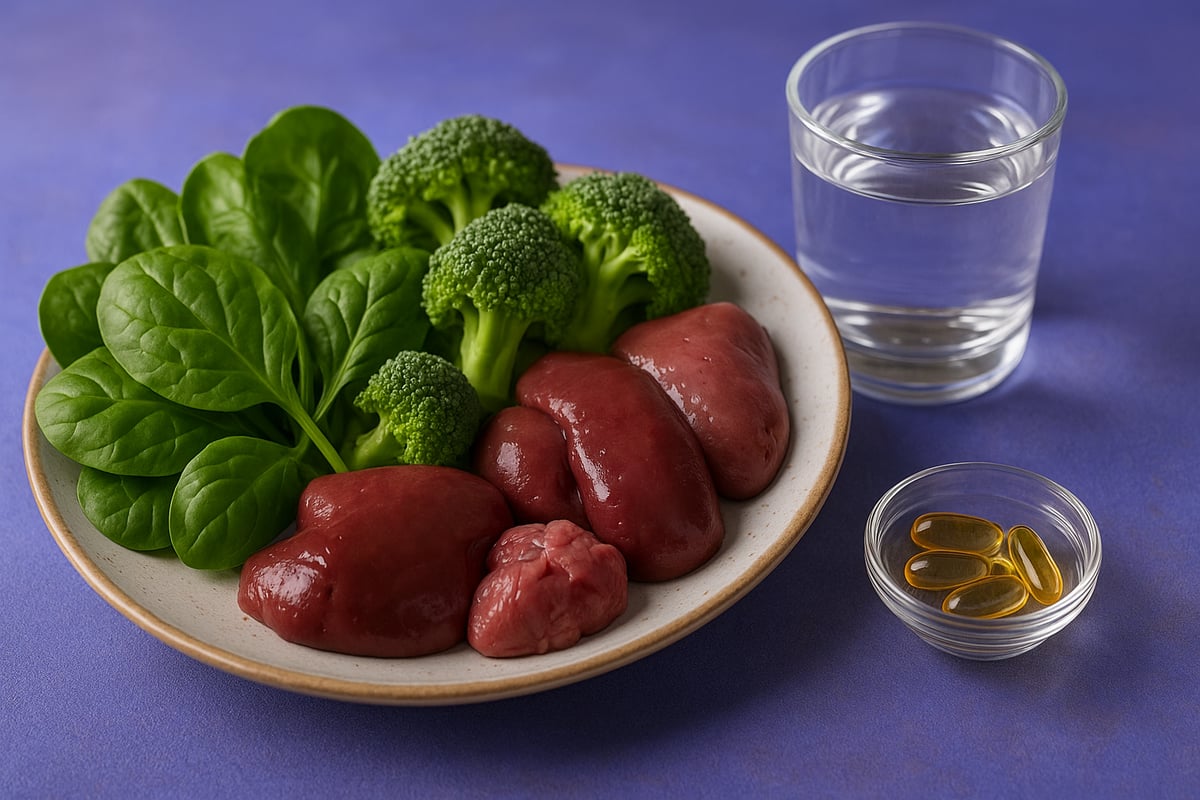
You can find alpha lipoic acid naturally in foods like spinach, broccoli, and organ meats, but the amounts are pretty small. Most people interested in alpha lipoic acid and fertility turn to supplements for a reliable dose.
There are two main forms: R-ALA (the active form) and S-ALA (synthetic). R-ALA is considered more bioavailable, especially when used in targeted products like the R-Lipoic Acid antioxidant supplement designed for fertility support. Supplements generally deliver much higher levels than food, making them the go-to for those seeking specific reproductive benefits.
ALA in the Body: Absorption and Metabolism
When you take alpha lipoic acid, your body absorbs it quickly through the gut, but not all of it makes it into your bloodstream. Factors like taking it with food, the form you choose, and even your genetics can affect how much you absorb.
For those using alpha lipoic acid and fertility protocols, it's good to know that ALA peaks in the blood within an hour and has a short half-life, often just 30 minutes to an hour. This is why some people split their dose or use sustained-release forms to keep levels steady.
Recent Advances in ALA Research
Between 2023 and 2026, research into alpha lipoic acid and fertility has exploded. Scientists are investigating not just its metabolic effects, but also how it influences egg quality, sperm health, and even hormone balance.
Emerging studies point to ALA's promise in protecting reproductive cells from oxidative stress, supporting mitochondrial function, and improving outcomes in fertility treatments. The market for ALA supplements is booming, with a projected CAGR of over 7 percent, reflecting the surge in demand among couples trying to conceive.
7%+
Projected annual growth rate of the ALA supplement market through 2026, driven by rising demand among couples trying to conceive
Alpha Lipoic Acid and Fertility: Scientific Evidence and Mechanisms
The science behind alpha lipoic acid and fertility is both fascinating and promising. If you're wondering why reproductive specialists are buzzing about this antioxidant, it's because of its unique role in protecting cells and supporting reproductive health for both women and men.

Oxidative Stress and Reproductive Health
Oxidative stress is like a storm inside your cells. In the context of fertility, it means there's an imbalance between damaging free radicals and the antioxidants that neutralize them. When this storm rages unchecked, it can harm eggs and sperm, making them less likely to do their job.
Up to 40 percent of unexplained infertility cases are linked to oxidative stress. Think of it as rust that quietly builds up, affecting the quality of both oocytes and sperm. This is why managing oxidative stress is such a big deal in fertility treatment plans.
The connection between alpha lipoic acid and fertility starts here. Researchers have found that lowering oxidative stress can improve reproductive outcomes. Supporting your body's antioxidant defenses might just be the missing piece of your fertility puzzle.
40%
Of unexplained infertility cases are linked to oxidative stress — the very mechanism ALA is designed to counteract
ALA's Antioxidant Role in Fertility
Alpha lipoic acid is a heavy hitter when it comes to antioxidants. It doesn't just mop up free radicals on its own; it helps regenerate other antioxidants like vitamin C, vitamin E, and glutathione. This means it acts as a team captain, boosting your overall cellular defenses.
Studies in animals and humans show that alpha lipoic acid and fertility are closely linked through its ability to reduce oxidative damage in reproductive tissues. For example, a 2024 clinical trial demonstrated that women with high oxidative stress who supplemented with ALA saw improved embryo quality during IVF.
Here's why this matters: better cellular protection leads to healthier eggs and sperm, which increases the odds of conception. By supporting your antioxidant network, ALA may give you a real edge on your fertility journey.
📊 WHAT THE RESEARCH SAYS
A 2025 meta-analysis found that ALA supplementation led to an 18% increase in sperm motility. A separate 2023 study using 600 mg/day for 80 days demonstrated improved sperm DNA integrity and reduced oxidative stress. A 2024 clinical trial showed women with high oxidative stress who supplemented with ALA saw improved embryo quality during IVF. A comprehensive systematic review on alpha-lipoic acid and infertility also noted improvements in oocyte maturation, embryo development, and hormonal parameters in women with PCOS. (PubMed)
Effects on Female Fertility
When it comes to female fertility, alpha lipoic acid and fertility go hand in hand, especially for women facing conditions like PCOS or diminished ovarian reserve. ALA has been shown to support ovarian function and egg quality, which are essential for successful conception.
Women with PCOS often struggle with insulin resistance and irregular ovulation. Research indicates that ALA supplementation can improve insulin sensitivity and help restore regular cycles. It gets even better when combined with myo-inositol, another fertility-friendly nutrient. This duo has led to more ovulations and higher pregnancy rates in clinical studies.
For women undergoing IVF, ALA appears to improve outcomes by enhancing egg quality and embryo development. There are even reports of women with low ovarian reserve experiencing better results when ALA is added to their protocol.
Effects on Male Fertility
Men aren't left out of the alpha lipoic acid and fertility conversation. Sperm health is highly sensitive to oxidative stress, and ALA's antioxidant powers can make a real difference. Research has focused on key sperm parameters like motility, morphology, and DNA integrity.
A 2025 meta-analysis found that ALA supplementation led to an 18 percent increase in sperm motility. That's a significant boost for couples trying to conceive. There's also evidence that ALA can reduce oxidative stress in men with varicoceles, a common cause of male infertility.
Another highlight is ALA's impact on sperm DNA. Protecting genetic material means healthier embryos and better chances of a successful pregnancy. For men facing unexplained fertility issues, ALA could be a valuable addition to their regimen.
ALA and Hormonal Balance
Alpha lipoic acid and fertility are also intertwined through hormone regulation. Hormones like insulin, thyroid hormones, and androgens all play a part in reproductive health. Disruptions in these signals can make conception more difficult.
Studies show that ALA can help improve insulin sensitivity, especially in women with PCOS or metabolic syndrome. By lowering insulin, it helps bring other hormones into balance. For example, women with PCOS who took ALA saw a reduction in androgen levels, which can improve ovulation and cycle regularity.
Research also points to ALA's positive effects on thyroid function. Since the thyroid is crucial for reproductive hormones, this adds another layer to ALA's support. If you're navigating hormonal imbalances, alpha lipoic acid and fertility may be more connected than you think.
Clinical Studies and Meta-Analyses (2023–2026)
The last few years have seen a surge in clinical research on alpha lipoic acid and fertility. Multiple studies and meta-analyses have reported improvements in pregnancy rates, live birth rates, and menstrual cycle regularity for both women and men.
A comprehensive systematic review on alpha-lipoic acid and infertility highlights these benefits, noting better oocyte maturation, embryo development, and sperm quality. However, it's important to recognize some limitations, such as small sample sizes and the need for longer-term follow-ups.
Leading reproductive endocrinologists agree that ALA is a promising adjunct but should be tailored to individual needs. As research continues, expect even more clarity on how alpha lipoic acid and fertility intersect for optimal reproductive outcomes.
Not Sure What Your Body Needs?
Take our free 2-minute quiz and get a personalized supplement protocol built around your specific cycle, hormones, and health signals.
Take the Quiz → Explore the App →
How to Use Alpha Lipoic Acid for Fertility: Dosage, Timing, and Best Practices
Trying to figure out how to actually use alpha lipoic acid and fertility supplements for real results? You're in the right place. Let's break down everything from the right dose to timing, combinations, safety, and how to talk with your doctor. Whether you're prepping for IVF, managing PCOS, or just want your reproductive health on point, this is your go-to guide.
Recommended Dosages for Fertility Support
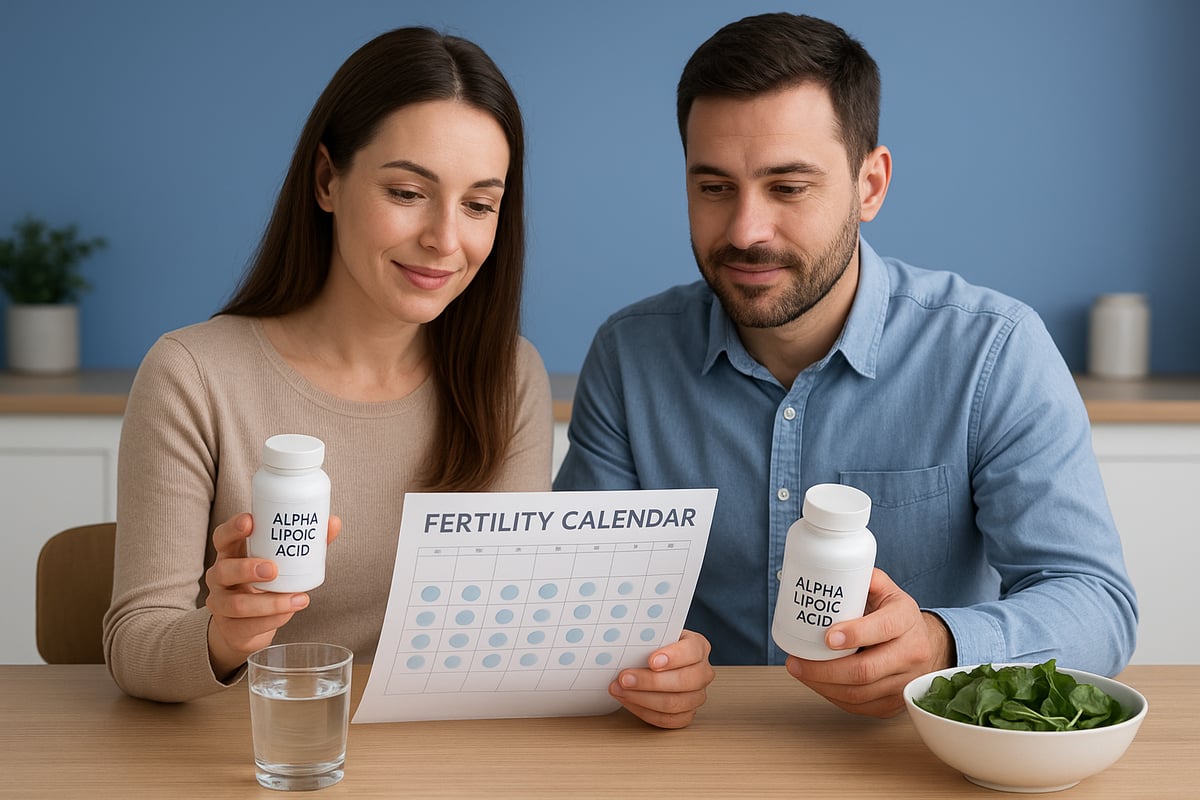
When it comes to alpha lipoic acid and fertility, most clinical protocols use 300–600 mg per day. The ideal dose depends on gender, health status, and the reason for supplementing. For women with PCOS or diminished ovarian reserve, 600 mg daily is common. Men aiming to improve sperm quality often use a similar dose. In a 2023 study, 600 mg per day for 80 days improved sperm DNA integrity and reduced oxidative stress (Alpha-lipoic acid improves sperm DNA integrity). Always check with your fertility specialist before starting a new supplement regimen.
Optimal Timing and Duration
Timing is everything in the world of alpha lipoic acid and fertility. Most experts recommend starting supplementation at least three months before trying to conceive or beginning fertility treatments. This window covers the full maturation cycle of eggs and sperm. Some clinics suggest continuing ALA through IVF cycles, but protocols can vary. Preconception use is especially important for those addressing oxidative stress or hormonal imbalances. Consistency is key, so set reminders if needed. Check in regularly with your care team to adjust timing based on your progress.
"Most experts recommend starting ALA supplementation at least three months before trying to conceive — a window that covers the full maturation cycle of both eggs and sperm."
Combining ALA with Other Fertility Nutrients
The real magic with alpha lipoic acid and fertility often happens when you combine it with other nutrients. Myo-inositol, CoQ10, and folate are popular partners, especially for women with PCOS or those undergoing IVF. Studies show that stacking ALA with myo-inositol can improve insulin sensitivity and ovulation rates. For men, pairing ALA with zinc or L-carnitine may support sperm health. Always introduce new supplements one at a time, and monitor for any changes in how you feel. Combination therapy should be coordinated with your healthcare provider.
Choosing the Right ALA Supplement
Navigating the supplement aisle for alpha lipoic acid and fertility can be overwhelming. Look for R-ALA, the biologically active form, which is more efficiently absorbed than S-ALA or racemic blends. Check for third-party testing and GMP certification to ensure purity and potency. Some products add biotin to boost absorption. Read labels closely, and avoid unnecessary fillers. If you have dietary restrictions, verify capsules are plant-based. Your fertility journey deserves the best quality, so do not cut corners on supplement sourcing.
Safety, Side Effects, and Contraindications
Safety always comes first with alpha lipoic acid and fertility supplements. Most people tolerate ALA well, but mild side effects like stomach upset or skin rash can occur. Rarely, allergic reactions may develop. Individuals with thyroid disorders or those taking diabetes medications should use caution, as ALA can influence hormone and blood sugar levels. Evidence on safety in pregnancy and breastfeeding is limited, so consult your doctor before continuing. Listen to your body and report any unusual symptoms promptly.
⚠️ IMPORTANT
Individuals with thyroid disorders or those taking diabetes medications should use caution with ALA, as it can influence both hormone and blood sugar levels. Evidence on safety during pregnancy and breastfeeding is limited — always consult your healthcare provider before continuing supplementation once pregnant.
Consulting a Healthcare Provider
Before adding alpha lipoic acid and fertility supplements to your regimen, loop in your healthcare provider. They can help tailor dosing, recommend reputable brands, and watch for potential interactions with medications. Bring a list of all supplements you are taking to your appointment. Ask your fertility specialist about monitoring lab values and adjusting doses as your cycle progresses. Personalized guidance makes all the difference in getting the most out of your fertility plan.
Alpha Lipoic Acid in Special Fertility Contexts: PCOS, IVF, and Age-Related Infertility
Let's dive into how alpha lipoic acid and fertility connect in some of the trickiest reproductive scenarios. Whether you're dealing with PCOS, navigating IVF, facing age-related challenges, or tackling unexplained infertility, understanding ALA's role could be a game changer. Here's what the latest science says about alpha lipoic acid and fertility in these special contexts.

ALA for Polycystic Ovary Syndrome (PCOS)
Polycystic ovary syndrome affects up to 1 in 10 women of reproductive age and is a common cause of infertility. Research shows alpha lipoic acid and fertility are linked through ALA's ability to improve insulin sensitivity and help regulate menstrual cycles. When combined with myo-inositol, ALA may offer even greater benefits for women with PCOS, including more regular ovulation and better hormone balance.
A recent meta-analysis on alpha-lipoic acid's impact on PCOS treatment found significant improvements in metabolic and hormonal parameters. If you're exploring supplements for PCOS, ALA could be a vital part of your toolkit.
ALA in Assisted Reproductive Technologies (IVF, IUI)
In IVF or IUI cycles, every detail counts. Recent data highlight the relationship between alpha lipoic acid and fertility, especially in women undergoing assisted reproductive technologies. ALA supplementation has been shown to improve oocyte (egg) quality and increase fertilization rates, which can make all the difference during high-stakes fertility treatments.
Many clinics now consider protocols that incorporate ALA, particularly for patients with oxidative stress or low ovarian reserve. These approaches are helping more couples get closer to their dream of starting a family.
Age-Related Fertility Decline
As we age, oxidative stress and mitochondrial dysfunction can affect egg quality and reproductive potential. That's where alpha lipoic acid and fertility intersect for women over 35. ALA's antioxidant power helps protect delicate ovarian cells from damage, supporting healthier eggs and potentially extending the window for conception.
Studies have shown women over 38 who use ALA may experience higher implantation rates and better IVF outcomes. If age is a factor in your fertility journey, ALA could be a smart addition to your plan.
Male Factor Infertility and ALA
Alpha lipoic acid and fertility aren't just a women's issue. Men struggling with idiopathic infertility are also finding hope with ALA. Research shows ALA can boost sperm motility, improve morphology, and reduce DNA fragmentation, all crucial for successful conception.
Combining ALA with other antioxidants can amplify these benefits. For those seeking targeted support, the male fertility support products collection offers curated options that may help address these unique challenges.
Addressing Unexplained Infertility
Unexplained infertility can be especially frustrating, leaving couples searching for answers. The link between alpha lipoic acid and fertility is particularly intriguing here. Because oxidative stress is often a hidden culprit, ALA's antioxidant action may offer support even when no clear cause is found.
There are case reports of couples achieving pregnancy after adding ALA to their routine. While more research is needed, ALA remains a promising option for those navigating the unknowns of infertility.
Future Directions: Alpha Lipoic Acid and Fertility Innovations for 2026 and Beyond
The future of alpha lipoic acid and fertility is looking brighter than ever, with cutting-edge research and fresh technologies on the horizon. As we peek into 2026 and beyond, it's clear that how we use and understand this powerful antioxidant is evolving fast. Let's explore what's next in the world of alpha lipoic acid and fertility.
Novel Delivery Systems and Formulations
Say goodbye to the old days of basic capsules. In 2026, alpha lipoic acid and fertility supplements are getting a serious upgrade. Liposomal ALA and sustained-release tablets are emerging as game changers, boosting absorption and making daily routines easier. These innovations mean that your body gets more of the good stuff, right where it needs it.
Researchers are even exploring bioavailability enhancers, like pairing ALA with biotin, to maximize results. For those who want the science, a 2024 study shows how alpha-lipoic acid protects developing oocytes from damage, hinting at the importance of advanced formulations in fertility success.
Personalized Supplementation and Genomic Insights
Personalization is the name of the game for alpha lipoic acid and fertility. Genetic testing is unlocking secrets about how our bodies respond to nutrients, including ALA. Imagine a world where your fertility plan is tailored to your DNA, optimizing every supplement for your unique needs.
Nutrigenomics-guided dosing is already making waves in fertility clinics. By analyzing genetic markers, doctors can recommend the right ALA dose and pairing, ensuring better outcomes. This shift means fewer guesswork and more targeted support, helping hopeful parents get closer to their dreams.
Ongoing and Upcoming Clinical Trials
The pipeline for alpha lipoic acid and fertility research is packed for 2024 to 2026. Large-scale, multicenter clinical trials are underway, focusing on long-term fertility outcomes and safety in pregnancy. These studies are set to answer big questions: How does ALA influence live birth rates? Is it safe to use throughout pregnancy?
If you're curious or want to get involved, many research centers are recruiting participants. The results from these trials will shape guidelines and recommendations for years to come, making now an exciting time to watch the field evolve.
Integrating ALA into Holistic Fertility Care
Alpha lipoic acid and fertility support are no longer just about popping a pill. The trend is shifting toward holistic, multidisciplinary approaches. Fertility coaches and integrative practitioners recommend combining ALA with lifestyle changes like nutrition, exercise, and stress reduction for maximum impact.
Want to build a strong foundation? Explore resources like the Fertility basics collection, which covers essential nutrients and antioxidants. By weaving ALA into a bigger tapestry of health, you're giving yourself the best shot at success—body, mind, and spirit.
✦ THE CONCEIVABLE SYSTEM
Personalized Supplements. AI Care Team. The Halo Ring.
Everything your body needs to optimize fertility — built around your data, not someone else's.
Take the Quiz → Check Out the App →
Kai is your AI fertility coordinator — trained on 25 years of clinical data. She can answer your specific questions right now.
Chat with Kai →