


 .
. .
.
When Is the Best Time to Use Basal Body Temperature Charting?
Key Takeaways:
|
Aspect |
Details |
|
Best Time for BBT Charting |
Two to three days before temperature rise |
|
Purpose of BBT Charting |
Predict ovulation for conception or contraception |
|
Tools Required |
Digital BBT thermometer, paper chart or app |
|
Effectiveness |
Accuracy ranges from 76% to 88% |
|
Additional Uses |
Early pregnancy detection |
Basal Body Temperature (BBT) charting is a widely used method for understanding fertility cycles. As a non-invasive and cost-effective approach, it offers valuable insights for those trying to conceive or avoid pregnancy.
Understanding Basal Body Temperature:
BBT is the body's temperature at rest. During the menstrual cycle, subtle fluctuations in BBT can indicate key fertility periods.
A slight rise in temperature, typically less than 0.5°F, signals ovulation. By charting these changes, individuals can predict their most fertile days.
1. When to Chart Your BBT:
The ideal time for BBT charting is first thing in the morning, before engaging in any activity. Consistency is crucial; temperature should be taken at the same time each day to ensure accuracy.
Utilizing a digital BBT thermometer specifically designed for this purpose can aid in detecting even minute temperature changes.
Fertility Charting:
- Start: From the first day of the menstrual cycle
- Frequency: Daily, at the same time each morning
- Duration: Over several months for pattern detection
2. The Role of BBT in Fertility Planning:
BBT charting is a cornerstone of fertility awareness. It helps in:
- Identifying ovulation periods
- Planning intercourse for conception
- Natural contraception methods
- Early pregnancy detection
3. Maximizing Conception Chances:
To enhance fertility, understanding BBT patterns is key. Ovulation typically occurs a day or two before a temperature rise.
Engaging in intercourse during this window can increase the likelihood of conception.
Fertility Supplements:
For those seeking additional support, products like Ubiquinol Gold Plus offer targeted nutritional support for egg, sperm, and embryo health.
4. Limitations and Challenges:
While BBT charting is insightful, it's not foolproof. Factors such as stress, illness, and sleep disruptions can affect temperature readings.
Moreover, this method requires patience and dedication, as it involves several months of tracking to discern patterns.
4. Alternatives to BBT Charting:
For a more immediate method of tracking ovulation, consider Bioavail Vitamin E and L-Arginine, which can enhance fertility health and complement BBT charting efforts.
Advanced Fertility Monitoring with BBT:

BBT charting is not just about tracking temperature; it's about understanding your body's fertility signals.
Over time, a clear pattern of pre- and post-ovulation temperatures emerges, empowering you with knowledge about your menstrual cycle.
1. Combining BBT with Other Methods:
For more comprehensive fertility planning, combining BBT charting with other methods can be beneficial.
This could include tracking cervical mucus or using electronic fertility monitors. Products like R-Lipoic Acid Plus can also support overall reproductive health.
2. The Role of Technology in BBT Charting:
Advancements in technology have made BBT charting more accessible and user-friendly.
Smart thermometers and fertility tracking apps can automatically record and analyze temperature data, making pattern detection simpler and more precise.
Practical Tips for Effective BBT Charting:
- Consistency: Take your temperature at the same time every morning.
- Accuracy: Use a digital BBT thermometer for precise readings.
- Record Keeping: Log your temperature daily, either on a paper chart or a digital app.
- Pattern Analysis: Over several months, observe the patterns in your BBT to predict ovulation.
Realistic Expectations and Limitations:
Understanding that BBT charting has its limitations is essential. Its accuracy varies and external factors can impact results.
Remember, it's more about trend analysis over time than relying on a single month's data.
Conclusion:
Basal Body Temperature charting is a practical and informative method for fertility tracking. By understanding and applying this method, individuals can make informed decisions about conception and contraception.
However, it's important to be aware of its limitations and consider supplementing with other fertility methods and products for optimal results.
Find out exactly what your body needs
Our 2-minute quiz builds a supplement protocol around your specific signals.
Take the free Score →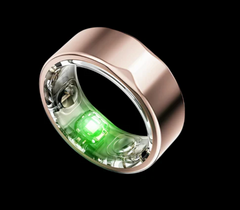
The Halo Ring reads your overnight temperature, sleep and HRV automatically, the signals this article is about, for $250.00.
Meet the Halo RingKai is your AI fertility coordinator, built from 20 years of clinical practice. She can answer your specific questions right now.
Chat with Kai in the app
