
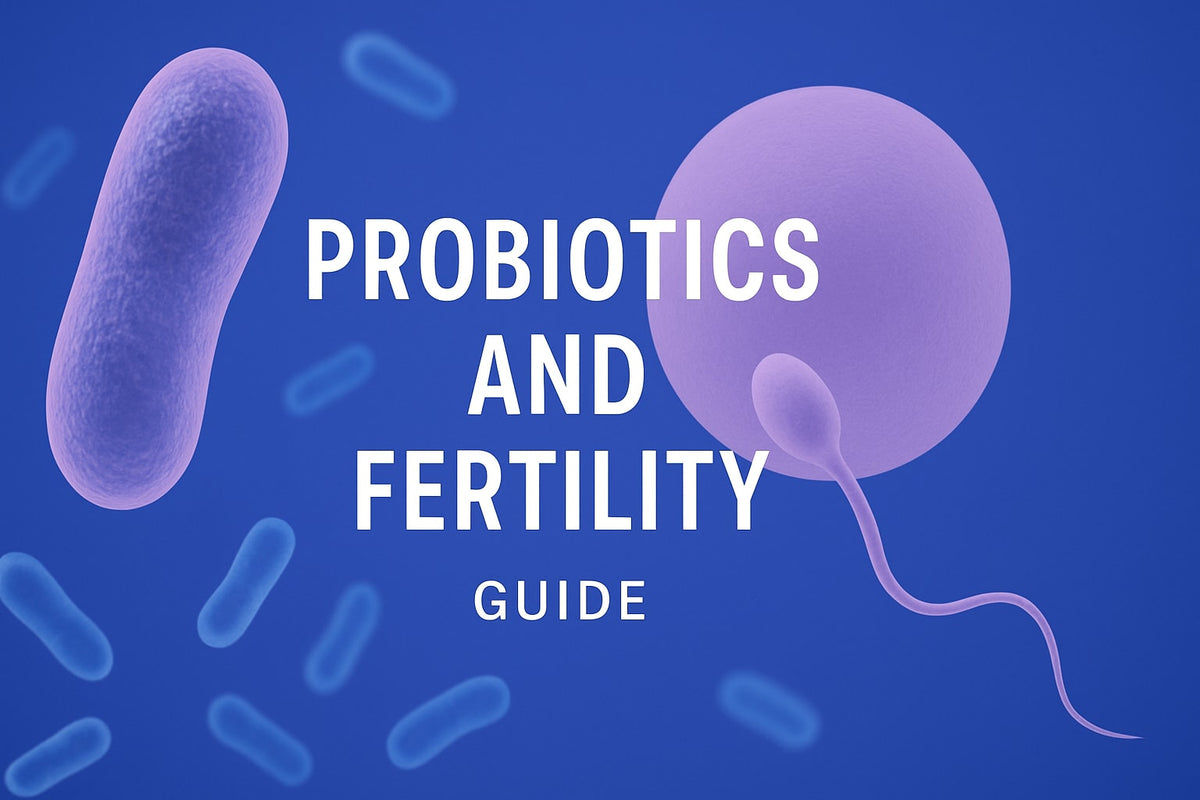
Probiotics and Fertility Guide: Unlocking Natural Support 2026
Curious about how probiotics and fertility are connected? In 2026, new research shows that beneficial bacteria are transforming natural fertility support for couples everywhere.
This guide dives deep into the science-backed relationship between probiotics and fertility, revealing how these tiny microbes could unlock new possibilities for reproductive health.
You'll get a clear, actionable overview of how probiotics impact your fertility, the latest breakthroughs, and simple steps to add them to your daily routine.
Ready to learn about the gut-fertility connection, top probiotic strains, research highlights, and real strategies to boost your chances naturally? Let’s get started.
Understanding Probiotics: What They Are and How They Work
Ever wonder how something as tiny as a microbe could make a difference in your fertility journey? Probiotics are like the unsung superheroes in your gut, quietly shaping your health from the inside out. Let’s break down what these little helpers really are, how they work, and why they’re making waves in the world of probiotics and fertility.

Definition and Core Concepts
Probiotics are living microorganisms that, when taken in the right amounts, bring health benefits to the host. Think of them as the friendly neighbors in your digestive tract, always ready to keep things running smoothly.
The most common probiotic genera are Lactobacillus and Bifidobacterium. These beneficial bacteria work by outcompeting harmful microbes, producing helpful compounds, and supporting digestion. In the context of probiotics and fertility, they’re especially important for maintaining a healthy balance in your gut and reproductive system.
Here’s a quick breakdown of what makes a microbe a probiotic:
- It’s alive when you take it.
- It survives through your digestive tract.
- It helps your body in a measurable way.
How Probiotics Affect the Body
The impact of probiotics and fertility goes beyond just gut health. Probiotics strengthen the gut barrier, making it harder for unwanted substances to sneak through. They also modulate your immune system, helping your body distinguish friend from foe.
These microbes help synthesize vitamins and improve nutrient absorption, which is crucial for reproductive health. Probiotics don’t always set up permanent camp in your gut, but their interactions with your existing microbiome are powerful.
Research confirms that a balanced gut microbiome can regulate hormones and immune responses, both of which are key for fertility. For a deeper dive on how gut imbalances can disrupt reproductive health, check out this summary of Gut Microbiome Dysbiosis and Its Impact on Reproductive Health.
Types and Sources of Probiotics
Now, where can you find these helpful bacteria? Probiotics show up naturally in fermented foods like yogurt, kefir, sauerkraut, and kimchi. You’ll also see them in supplements—capsules, powders, and even drinks.
Let’s compare food and supplement sources:
| Source | Examples | Notes |
|---|---|---|
| Foods | Yogurt, kimchi, miso | Tasty, but variable potency |
| Supplements | Capsules, powders, drinks | Consistent, strain-specific |
For probiotics and fertility, strain specificity matters. Not every product labeled “probiotic” will deliver the results you want. Look for strains that have been clinically studied for reproductive health.
Safety and Effectiveness
The good news? Probiotics are generally recognized as safe for most people. Their effectiveness, however, depends on the specific strain, the dose, and your unique health profile.
It’s important to choose high-quality products with proven strains. Not every supplement on the shelf will support probiotics and fertility the same way. For example, studies have shown a 57% reproductive success rate with Lactobacillus salivarius, but that doesn’t mean every probiotic will deliver those results.
Always check for clinical validation, and when in doubt, talk to a healthcare provider to make sure you’re making the best choice for your fertility journey.
The Gut-Fertility Connection: Exploring the Microbiome Axis
Ever wonder why gut health is suddenly the hot topic in every fertility conversation? The answer lies in the powerful connection between our gut microbiome and reproductive systems. Researchers are discovering that the relationship between probiotics and fertility is much deeper than we ever imagined.

The Gut Microbiome as an Endocrine Organ
Think of your gut like a bustling control center, sending out signals that affect nearly every system in your body. The trillions of bacteria in your gut actually act as an endocrine organ, influencing hormone metabolism, especially estrogen. These microbes produce enzymes, like beta glucuronidase, which help recycle and balance hormones crucial for fertility.
This means the gut is not just about digestion, it is a hormone powerhouse. In fact, recent research highlights how sex hormones and the gut microbiome are closely intertwined, directly impacting reproductive health. If you want to dig deeper, check out this great explainer on the Sex Hormones and the Gut Microbiome.
Pathways Linking Gut Health and Reproductive Function
The pathways connecting gut health to fertility are surprisingly wide reaching. Here is how probiotics and fertility are linked through different mechanisms:
- Hormone regulation: Gut bacteria help manage estrogen, progesterone, and androgens.
- Immune system modulation: A balanced gut promotes immune tolerance, reducing the risk of autoimmunity that can affect conception.
- Nutrient absorption: The gut ensures your body gets enough fertility boosting vitamins and minerals.
- Inflammation control: Healthy bacteria help keep inflammation in check, protecting reproductive organs.
- Vaginal microbiome support: The gut even influences the balance of vaginal bacteria, which is vital for conception.
When these systems are in sync, the body is much more receptive to conception.
Impact of Dysbiosis on Fertility
But what happens when the gut falls out of balance? Dysbiosis, or an unhealthy gut flora, has been linked to hormonal imbalances, PCOS, endometriosis, and even unexplained infertility. Women with gut dysbiosis are more likely to experience bacterial vaginosis, which can make conception difficult.
Consider these key impacts:
- Hormonal disturbances disrupt ovulation and cycle regularity.
- Higher rates of bacterial vaginosis are seen in those with gut issues.
- Studies show 19 percent of women facing fertility challenges also deal with bacterial vaginosis.
It is clear that when the gut is off, the probiotics and fertility link suffers.
Clinical Implications
Doctors are catching on to the importance of gut health in fertility plans. More fertility specialists now include gut testing and recommend probiotic supplements to restore a healthy microbiome. By targeting the root causes, the probiotics and fertility approach goes beyond treating symptoms and helps create an environment where conception is more likely.
Probiotic supplementation is emerging as a trusted tool, especially for patients with a history of gut or vaginal imbalances. Choosing clinically validated strains is key for getting real results.
Case Studies and Research Highlights
Real world success stories are stacking up. For example, IVF patients with a Lactobacillus dominated vaginal microbiome have shown higher pregnancy rates. Men are not left out either, with research showing significant improvements in sperm motility and shape after probiotics are introduced.
Here is a quick summary table:
| Scenario | Outcome with Probiotics |
|---|---|
| IVF patients | Higher pregnancy rates |
| Women with vaginosis | Fewer infections, better cycles |
| Men with low sperm motility | Improved sperm quality |
Optimizing gut health can be a game changer for those on a fertility journey. The evidence for the connection between probiotics and fertility only continues to grow.
Mechanisms: How Probiotics Support Fertility for Women and Men
When it comes to probiotics and fertility, the science is both fascinating and empowering. Let’s break down how these tiny beneficial bacteria can create a ripple effect across your reproductive health, whether you’re hoping to conceive naturally or preparing for assisted reproduction.

Probiotics and Female Fertility
The role of probiotics and fertility in women centers on creating an optimal environment for conception. One of the main jobs of Lactobacillus species is to maintain a healthy vaginal pH between 3.5 and 4.5. This slightly acidic environment keeps harmful bacteria at bay and supports sperm survival.
- Lactobacillus strains produce lactic acid, hydrogen peroxide, and bacteriocins, all of which protect against pathogens.
- These “good” bacteria form protective biofilms, making it tough for bad actors to stick around.
- A healthy vaginal microbiome reduces the risk of bacterial vaginosis and other infections that can interfere with fertility.
- Probiotics also enhance endometrial receptivity, helping the uterus become more welcoming to embryo implantation.
Research has shown that women with a Lactobacillus-dominant microbiome have higher pregnancy rates, especially during IVF.
Probiotics and Male Fertility
Let’s not forget about the guys! Probiotics and fertility are closely intertwined for men, too. Recent studies reveal that certain strains can improve sperm motility, concentration, and shape (morphology) — all essential for successful conception.
- Probiotics offer antioxidant effects, shielding sperm from oxidative stress.
- They help reduce inflammation in the testicular environment, which can otherwise impair sperm production.
- Some strains even support hormone regulation, balancing testosterone and other reproductive hormones.
Clinical trials have reported significant improvements in sperm quality metrics after targeted probiotic therapy. It’s not magic, it’s microbiology working for you.
Immune System and Inflammatory Modulation
A balanced immune response is vital for fertility. The immune system must tolerate an embryo, which is part mom and part dad. Probiotics and fertility intersect at this crucial point by helping balance Th1 and Th2 immune responses, making implantation more likely.
- Probiotics reduce chronic inflammation in reproductive tissues, which can otherwise sabotage fertility efforts.
- They promote immune tolerance, decreasing the risk of autoimmunity against reproductive organs.
- By lowering systemic inflammation, they help create a stable environment for conception.
If you want to dive deeper into how inflammation impacts your chances of conceiving, check out this Inflammation and infertility link for a detailed breakdown.
Nutrient Absorption and Hormone Balance
The gut is the gateway for many fertility-essential nutrients. Probiotics and fertility go hand in hand by improving nutrient absorption and supporting hormone balance.
- Probiotics help your body absorb zinc, folate, and vitamin D — all key for reproductive health.
- They assist in synthesizing B vitamins and other micronutrients.
- Probiotics influence the gut-brain axis, sending signals that affect the hypothalamic-pituitary-gonadal axis and, ultimately, hormone production.
Better nutrient uptake means your reproductive system has all the building blocks it needs to function at its best.
Safety and Accessibility
One of the biggest perks of probiotics and fertility is their safety profile. Most people tolerate probiotics well, and side effects are rare.
- Probiotics are accessible, often available in both food and supplement forms.
- They’re typically more affordable and less invasive than pharmaceutical fertility treatments.
- Clinical studies confirm broad tolerance, even in sensitive populations.
Still, it’s smart to choose clinically validated strains and consult a healthcare provider if you have immune concerns.
Research and Data Points
Let’s look at some numbers that show the impact of probiotics and fertility interventions:
| Outcome | Success Rate/Improvement |
|---|---|
| Women with bacterial vaginosis recovery | 90% after probiotic therapy |
| IVF pregnancy rates (Lactobacillus dominant) | Significantly higher than non-dominant |
| Sperm motility and morphology (male studies) | Marked improvement with probiotics |
| L. salivarius reproductive success | 57% in clinical studies |
These results highlight why so many couples are turning to probiotics and fertility strategies for a natural boost.
Limitations and Ongoing Research
While the data is promising, there’s still work to be done. More large-scale, randomized controlled trials are needed to fine-tune recommendations for probiotics and fertility.
- Sampling the endometrial microbiota is challenging, so more research is underway.
- Standardized protocols are still being developed for both women and men.
Science is moving fast, but for now, probiotics and fertility remain a safe, accessible, and evidence-backed tool for hopeful parents.
Key Probiotic Strains for Fertility: Spotlight on Lactobacillus and More
When it comes to probiotics and fertility, not all bacteria are created equal. The strains you choose can make all the difference for your reproductive health. Let us break down which probiotics are the true MVPs, how they work, and what the latest science says about their fertility-boosting powers.

Lactobacillus Species: The Fertility Guardians
Lactobacillus strains are like your body’s fertility bodyguards. They dominate the vaginal microbiome in healthy women, keeping the environment acidic and hostile to unwanted invaders. L. crispatus, L. jensenii, L. gasseri, L. reuteri, and L. salivarius are especially important. These strains pump out lactic acid, hydrogen peroxide, and protective biofilms, which help prevent infections and support conception.
Clinical studies consistently find that a Lactobacillus-dominated vaginal microbiome is linked with higher pregnancy rates, especially in IVF settings. For example, women using vaginal probiotics with dominant Lactobacillus strains experienced improved pregnancy outcomes in a recent Pregnancy Outcomes After Vaginal Probiotic Supplementation study. If you are looking to optimize probiotics and fertility, starting with these strains is a smart move.
Bifidobacterium and Other Beneficial Strains
Bifidobacterium species may not get as much press as Lactobacillus, but they are crucial for gut health and, by extension, reproductive wellness. They help with nutrient absorption, immune support, and balancing inflammation. Bifidobacterium also works hand in hand with Lactobacillus to restore microbiome harmony, creating a solid foundation for fertility.
Other beneficial strains, like Saccharomyces boulardii, have shown promise in supporting gut health and reducing inflammation. Including a mix of these strains can help create a more resilient and balanced environment for probiotics and fertility.
Strain-Specific Benefits
Not all probiotics are created equal, and the magic lies in the details. Strain specificity matters because each type of bacteria has unique effects. For example, L. salivarius is associated with a 57% reproductive success rate in some studies. L. reuteri has a reputation for supporting vaginal health and immune balance.
When selecting probiotics and fertility supplements, look for products listing the exact strain, not just the species. This helps ensure you are getting clinically validated benefits rather than generic bacteria.
Probiotic Formulations: Single vs. Multi-Strain
Should you choose a single-strain or multi-strain probiotic? Multi-strain formulations often provide broader support, targeting both gut and vaginal health. For probiotics and fertility, a mix of Lactobacillus and Bifidobacterium species delivers a synergistic effect.
Consider how the probiotic is delivered, too. Capsules, powders, and even vaginal suppositories can all play a role. The right choice depends on your individual needs, preferences, and any medical guidance you receive.
| Strain | Main Benefit | Formulation Type |
|---|---|---|
| L. crispatus | Vaginal health | Capsule, suppository |
| L. salivarius | Reproductive success | Capsule |
| B. longum | Gut health, absorption | Capsule, powder |
Safety and Contraindications
Most people find probiotics safe and easy to tolerate when trying to conceive. However, it is always smart to talk to your healthcare provider, especially if you have a compromised immune system or underlying health conditions. The quality of the probiotic matters, too. Stick to brands with third-party testing and clearly labeled strains.
For couples using probiotics and fertility regimens, side effects are rare and usually mild, such as temporary digestive changes. Caution is key if you have a history of infections or are taking immunosuppressive medications.
Real-World Examples
Fertility clinics are starting to incorporate Lactobacillus-rich probiotics into IVF protocols, and many couples report improved conception rates after targeted probiotic therapy. Case studies show that women with a Lactobacillus-dominated vaginal microbiome experience reduced rates of bacterial vaginosis and better pregnancy outcomes.
For men, probiotic therapy has led to improvements in sperm motility and morphology. These real-world successes highlight just how powerful targeted probiotics and fertility strategies can be when tailored to individual needs.
Practical Guide: Integrating Probiotics into Your Fertility Journey
Ready to take charge of your fertility journey? Integrating probiotics and fertility strategies into your daily routine is simpler than you might think. With a few intentional steps and the latest science, you can set yourself up for success. If you want to maximize your chances, consider pairing these tips with evidence-based strategies to boost fertility.
Step 1: Assess Your Baseline Health
First things first, get a clear picture of your current health. Think about your digestion, menstrual cycles, and immune system. Are you often bloated? Do you get sick a lot? These clues can point to underlying gut issues that might impact probiotics and fertility.
If you have access, professional microbiome testing can reveal your gut’s strengths and weaknesses. Even without high-tech tests, tracking symptoms and keeping a health journal sets a strong foundation. Remember, the more you know about your starting point, the better you can tailor your approach.
Step 2: Choose the Right Probiotic Supplement
Not all probiotics are created equal. Look for supplements with clinically backed strains like Lactobacillus and Bifidobacterium. Check the label for a colony-forming units (CFU) count of at least several billion, and make sure the brand is reputable and third-party tested. Here’s a quick comparison:
| Form | Pros | Considerations |
|---|---|---|
| Capsule | Easy to take, stable, precise dosage | May need refrigeration |
| Powder | Mixes with food, flexible dosing | Taste, shelf life |
| Drink | Hydrating, convenient | Sugar content, cost |
| Vaginal | Targeted for women | Use as directed |
For probiotics and fertility, strain specificity matters. Choose a product that lists the exact strains and their research-backed benefits.
Step 3: Incorporate Probiotic-Rich Foods
Supplements are great, but don’t forget real food. Yogurt with live cultures, kefir, sauerkraut, kimchi, miso, and tempeh are all stars for your gut. Eating a variety of these can boost the diversity and resilience of your gut microbiome.
Try adding a spoonful of sauerkraut to lunch or a glass of kefir to your breakfast. Combining probiotic foods with supplements can create a powerful synergy for probiotics and fertility.
Step 4: Support the Microbiome with Prebiotics
Probiotics are like the seeds, and prebiotics are their fertilizer. Feed your good bacteria with fibers like inulin, FOS, and resistant starch. They’re found in foods such as:
- Garlic
- Onions
- Bananas
- Asparagus
- Oats
A diet rich in these prebiotics helps your probiotics thrive. Supporting both probiotics and fertility means nurturing your gut with smart food choices.
Step 5: Monitor and Adjust
After starting your new routine, keep an eye on how you feel. Are your cycles more regular? Is digestion smoother? Use a journal or app to track changes in your energy, mood, and reproductive health.
If you notice little improvement after a few months, consider adjusting your probiotic strains or increasing your intake. Always consult a healthcare provider before making big changes. Remember, everyone’s journey with probiotics and fertility is unique.
Step 6: Combine with Other Fertility Strategies
Probiotics work even better alongside other healthy habits. Eat a balanced diet, manage stress, and get enough sleep. Antioxidants, vitamins, and minerals all support reproductive health.
Pairing probiotics and fertility strategies with hydration, regular exercise, and medical support can create a holistic approach. For more foundational tips, explore how water and nutrition can elevate your fertility game.
Step 7: Address Special Considerations
Some situations call for extra care. If you have PCOS, endometriosis, or are preparing for IVF, targeted probiotic strains may help. Men can also benefit—studies show certain probiotics improve sperm quality, as highlighted in this systematic review on probiotics and male infertility.
If you have a weakened immune system or serious illness, check with your doctor before starting new supplements. Probiotics and fertility routines should always be personalized for your needs.
Future Directions and Research: Probiotics, Personalized Medicine, and Fertility in 2026
The future of probiotics and fertility is evolving at lightning speed, and 2026 is shaping up to be a turning point for hopeful parents everywhere. Researchers are uncovering new ways these tiny microbes can support reproductive health, not just for women but for men too. If you want to stay ahead of the curve, keep reading—this is where science fiction meets real-life possibility.
Emerging Trends in Probiotic Research
Cutting-edge research is now using advanced microbiome sequencing to discover exactly which strains support fertility. Scientists are mapping how probiotics and fertility interact on a genetic level, making it possible to select the right strains for your unique biology.
AI-driven algorithms are being developed to recommend custom blends based on your own microbiome profile. This means that, soon, your supplement could be as unique as your fingerprint.
Personalized Fertility Support Solutions
Personalized medicine is taking center stage. Imagine walking into a clinic, getting your gut and vaginal microbiome analyzed, and receiving a tailored probiotic regimen to maximize your fertility potential. These custom supplement packs are predicted to become a standard part of fertility care by 2026.
The integration of probiotics and fertility into mainstream medicine is moving beyond the one-size-fits-all approach. This shift is helping to debunk outdated myths and encourage evidence-based solutions. If you want to separate fact from fiction, check out these fertility beliefs that are totally wrong.
Ongoing Clinical Trials and Data Gaps
Large-scale clinical trials are underway to understand how probiotics and fertility treatments, like IVF, work together. Researchers are focusing on both female and male fertility, aiming to standardize protocols and outcome measures for future patients.
Despite exciting breakthroughs, there are still gaps in our knowledge. For example, the male microbiome’s influence on sperm quality is a hot topic for ongoing studies.
Potential for Digital Health and AI
Digital health is revolutionizing the way people track their fertility journeys. Soon, apps will allow you to monitor your microbiome, menstrual cycles, and supplement response in real time. This adaptive technology will help you and your doctor make smarter, faster decisions.
Remote monitoring and telehealth are expected to make probiotics and fertility support accessible, even for those far from major clinics.
Practical Implications for 2026 and Beyond
By 2026, probiotics and fertility are likely to be mainstream in fertility clinics and telehealth platforms. These natural solutions are becoming more affordable, so a wider range of people can benefit from the latest science.
As clinical evidence grows, professionals are updating guidelines and making probiotics a regular part of fertility protocols.
Challenges and Considerations
Of course, there are still hurdles to overcome. Regulators are working to ensure product quality, and education about probiotics and fertility needs to reach more people. Bridging gaps in access and equity is crucial, especially as personalized medicine becomes the norm.
The future looks bright, but staying informed and choosing evidence-based solutions will always be key.
Article written using RankPill.