


 .
. .
.Endometriosis — The Lifestyle Link
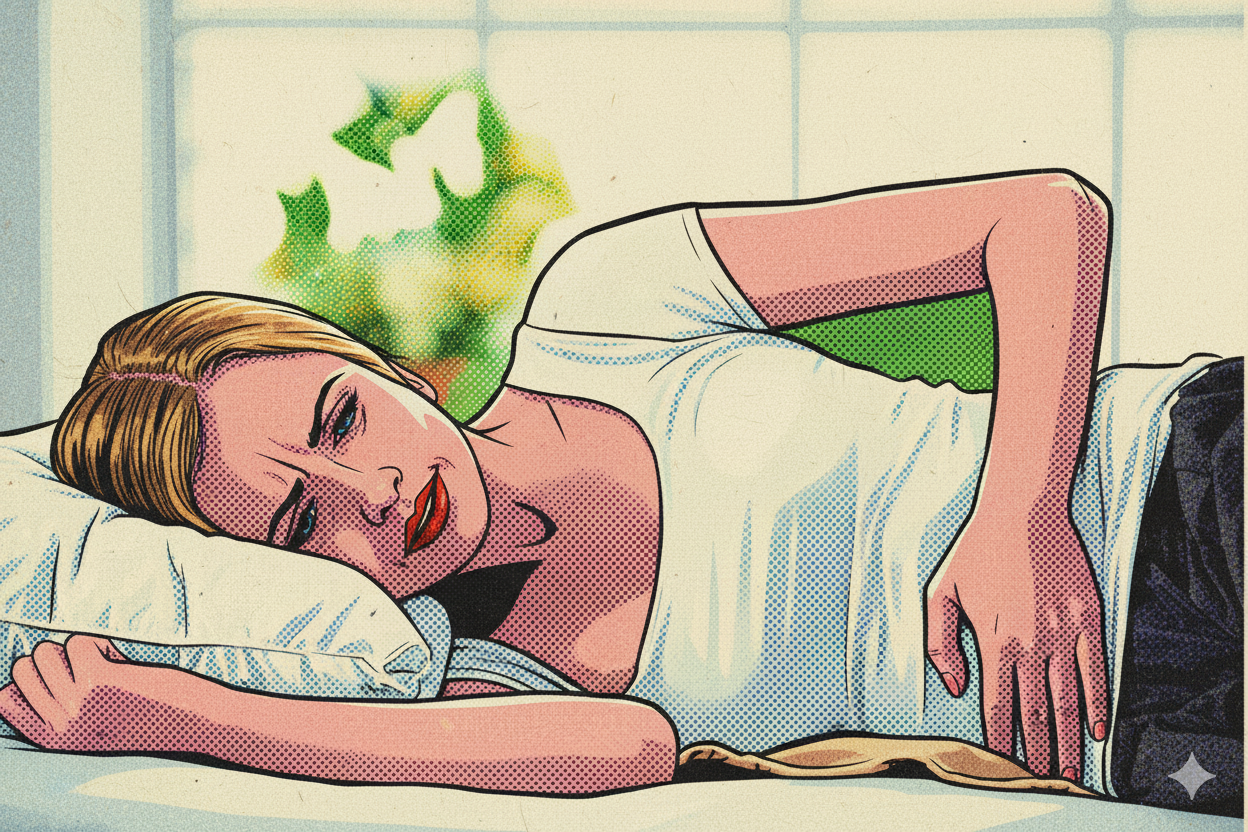
Endometriosis occurs when endometrial tissue, which is normally found within the uterus, is found in other parts of the body, such as the ovaries, the bladder, the pelvic cavity, or even on the skin and lungs.
Millions of women have endometriosis and it's one of the very most common causes of infertility. Despite its ubiquity, there's currently no known cause or cure.
Not exactly celebrating after reading that? I understand.
Even though the facts are scary, they're not reason enough to condemn yourself to a life of pain or infertility! Simple lifestyle changes can make a huge difference for you and your body.
Endometriosis is an inflammatory condition that also has a strong autoimmune component. When your immune system gets irritated (from stress, environmental stressors, food allergies, and inflammatory foods), a massive inflammatory attack is launched, which in some cases affects your own tissue, causing the painful accumulation of endometrial tissue where it's not supposed to be.
Your body is trying to tell you that it's at its limit and is quickly losing its way.
KEY INSIGHT
Endometriosis is fundamentally an inflammatory and autoimmune condition, which means the triggers you encounter every day (diet, stress, sleep, environmental exposures) directly influence how aggressively it progresses.
While there's no known cure for endometriosis, we do know that lifestyle can impact the severity of the condition, both for better and worse.
Several studies have found a strong association between diets low in vegetables and fruit and the development of endometriosis. A sedentary lifestyle can also be a risk factor for endometriosis. A 2010 study showed that women who exercise regularly experienced a 40 to 80 percent reduction in risk for endometriosis.
40–80%
Reduction in endometriosis risk seen in women who exercise regularly, according to a 2010 study
Lifestyle changes such as dietary adjustments, food intolerance testing, stress management, and paying close attention to the amount of hydration and sleep you're getting can all have hugely beneficial impacts on the management of endometriosis.
📊 WHAT THE RESEARCH SAYS
Multiple studies have found a strong association between diets low in vegetables and fruit and the development of endometriosis. Conversely, diets rich in omega-3 fatty acids and antioxidants are linked to reduced inflammatory markers, a key driver of endometrial tissue growth outside the uterus. (Source: Physicians Committee for Responsible Medicine)
✦ KEEP READING
✦ KEEP READING
Not Sure What Your Body Needs?
Take our free 2-minute quiz and get a personalized supplement protocol built around your specific cycle, hormones, and health signals.
Take the free Score → Explore the App →
When we attempt to treat endometriosis with only surgery and medications, we miss an opportunity to dig deeper into the underlying issues that affect women with this debilitating disease.
"Without changing important lifestyle factors, the endometriosis will return again and again and will remain a barrier, both literally and figuratively, to our fertile selves."
Without changing important lifestyle factors, the endometriosis will return again and again and will remain a barrier, both literally and figuratively, to our fertile selves.
If you have endometriosis, it's important to consider an integrated and comprehensive approach to your diagnosis that includes lifestyle changes alongside conventional medicine interventions to control your symptoms.
⚠️ IMPORTANT
Lifestyle changes are a powerful complement to, not a replacement for, medical care. Always work with your physician when managing endometriosis. The goal of an integrated approach is to make your conventional treatments more effective, not to sidestep them.
Taking a peek at how your lifestyle can affect your endometriosis is not only good for your health in general, it's absolutely great for your fertility. You and your physician will be pleasantly surprised by how much more effective your treatments are. And that's a big reason to celebrate.
Conceivable's customized plans for women struggling with infertility are a great place to start for a holistic intervention that will pay tremendous dividends for your fertility, and your health in general.
✦ THE CONCEIVABLE SYSTEM
Personalized Supplements. AI Care Team. The Halo Ring.
Everything your body needs to optimize fertility, built around your information, not someone else's.
Take the free Score → Check Out the App →
Frequently Asked Questions
Can lifestyle changes actually reduce endometriosis symptoms?
Yes. While lifestyle changes cannot cure endometriosis, research shows they can significantly reduce symptom severity. Anti-inflammatory dietary adjustments, regular exercise, stress management, and adequate sleep all help calm the immune dysregulation that drives endometrial tissue growth. A 2010 study found that regular exercise alone reduced endometriosis risk by 40 to 80 percent.
What foods should I avoid if I have endometriosis?
Inflammatory foods, including processed foods, refined sugars, trans fats, and red meat, are most commonly associated with worsening endometriosis symptoms. Many women also benefit from food intolerance testing, as hidden sensitivities (particularly to gluten and dairy) can amplify the body's inflammatory response. A diet rich in vegetables, fruits, and omega-3 fatty acids is generally recommended.
Is endometriosis always a cause of infertility?
Not always, but it is one of the most common contributors to infertility. The extent to which endometriosis affects fertility depends on its severity and location. An integrated approach, combining conventional medical treatment with lifestyle modifications, gives your body the best chance of responding well and improving fertility outcomes.
How does the Conceivable system actually work?
Conceivable combines three things: personalized supplement packs built from your quiz results and health data, an AI care team of 7 specialists (led by Kai, your fertility coordinator) who help you understand your pattern and can suggest a pack, and the Halo Ring for continuous biometric tracking. The system is built on published reproductive-health research and 20 years of clinical practice. It starts at $14.99/month.
How do I know which supplements I actually need?
Take the free 2-minute Conceivable quiz. It analyzes your cycle patterns, energy, stress, digestion, and health history to identify the specific nutrients your body needs, not a generic prenatal, but a protocol built for exactly where you are right now.
Do I need the Halo Ring to use Conceivable?
No. The Halo Ring is optional and adds overnight tracking of temperature, HRV and sleep, which Kai uses to help you understand your pattern and suggest a pack. But the personalized supplement packs and AI care team work without it. The ring is a one-time $250 purchase with no subscription required.

